

Benefits of a Walking Rollator With Seat
A walk-around with seating provides stability and a comfortable place to rest. The ideal size of seat, coupled with the use of hand brakes can give you a safe and comfortable ride while retaining independence.
One study has shown that walking with a walker reduces the stress on specific muscle groups and joints. However, the effect on gait performance is undetermined.
Comfortable Seat
A seat-mounted rollator is designed for those who need the stability and support offered by a walking aid but also would like to sit down when they're tired. You can maintain a steady gait by taking a few minutes to rest instead of grabbing the handlebars.
The majority of rollators have a padded seat, which is easy to place on the back. They can be used indoors or outdoors and the majority are light enough to move easily. Some models have a basket for holding shopping bags and other items of personal use. Some models have cups holder or a tray to eat a snack on the go.
If you are purchasing a collapsible walker, make sure that the seat can be adjusted to your preferred height. The seat's height should be in line with your natural posture when standing from the chair or sitting on the ground. Handles should be able to be adjusted in height to allow for a comfortable fit in your hands.
mymobilityscooters.uk of brakes are available on rollators. Some rollators have a brake that is operated by pushing down on handlebars, much like the brakes of a bicycle. They're easy to use however they're not the safest choice for petite users who aren't heavy enough to be able to use them. Look for a model with cable loop brakes. They are more secure and work exactly like bike brakes.
A majority of rollators come with a lock to keep the brakes in motion when you're in the seat. This feature is beneficial to have when you're traveling downhill or have to stop suddenly for any reason. It's crucial to practice releasing the brakes when you get up from your seat and engaging them again as you begin walking.
If you're not sure which type of walking aid is the best one for you, speak to your doctor or a physical or occupational therapist. They'll give you thorough information on the different options and help you select the one that best suits your needs for mobility. They can also help you choose the best rollator with seat to fit your budget and lifestyle.
Quick Access to an Area to Sit
A lot of rollator walkers have a built-in bench for those who wish to rest while walking. When the user is ready to sit, they need to put their walker in a place which is clear of people and engage the brakes to prevent it from moving once they get settled. While they might be tempted to lean on the frame, this places unnecessary strain on their arms and shoulders, so it is important to keep their hands in an easy grip.
The user should not just make sure that the grip is comfortable, but also that the height of the seat is suitable for them. To determine the right height, have the user sit in their usual shoes and determine the distance between their thumb and the floor. They can then examine this measurement in relation to the height adjustment on the seat of their mobility aid to make sure it is adjusted to the correct level.
While walking when walking, the walker must be aware of the surroundings and aware of any obstacles or changes to the terrain that could make the walker to lose its balance. They should be sure to keep their eyes forward, allowing them to anticipate what is ahead and adjust their plans in real-time. This will make them feel more confident and secure when they walk the terrain with their walkers that roll.
When they are ready for home, they will need a rollator that can be folded easily to make it easier to carry and put in their vehicle. They should also be familiar with the folding mechanism of their particular model so that they can safely lift it while maintaining a steady, neutral stance and not placing unnecessary strain on their arms or shoulders. After it is folded, the user can place it in a container or bag to make it easy to transport and secure it so that it does not move when it is in transit. They should also be familiar with the size of the model to ensure it fits through their doorways.
More Independence
When a person uses a rollator, they are in a position to lessen the strain on their joints and muscles. They can walk further and more comfortably, reducing the chance of pain or discomfort. Rollators also allow people to stand more often and reduce the number of time they must sit down and rest. This is an important step in encouraging healthy mobility and improving the overall quality of life of a user.
A seat also provides the opportunity to rest for those who are tired walking, and reduces the necessity to to push their rollator forward in order to move. This can help prevent issues like heart strain. It lets people go to places without having to worry about seating and allows them to enjoy more outdoor adventures while maintaining their independence.
It is important to remember when using a rollator that comes with a seat that the process of sitting and standing up should be done slowly and slowly. It is helpful to practice the procedure on a flat surface, so that it becomes second nature. It is also essential to apply the brakes by making sure that they are secured and easily accessible. The majority of rollator models come with hand brakes that are easy to use. They can be locked or applied by simply pressing the bars on the handle.
Many rollator models include various features, such as baskets or pouches as well as tray tables. They also include oxygen tank holders and cane holders. Some models come with cups holder and shoulder strap for easy transport. It is essential to choose the model that can be adjusted to the height of the person for maximum comfort and mobility. It is crucial that the seat is placed in the rear wheels. This will increase stability and decrease the risk of the chair tipping.
Rollators are a fantastic mobility solution for people who are struggling with gait, balance, or hip, knee or joint pain. They can be used to assist with temporary issues with mobility like after an accident or surgery. They can also be used as a permanent mobility solution. When selecting a walker that rolls with seating, it is important to take into account the particular needs and consult a healthcare professional for advice.
More Mobility
A cushioned seat on a rollator can be an ideal feature for those who require frequent breaks during their walks. This can help reduce fatigue and discomfort. This will reduce the risk of a crash that might occur when a person is dizzy while walking.
Consider the size and design of a rollator that has seating when selecting one. The majority of models come with an adjustable seat that is cushioned, handlebars that can be adjusted to different heights, locking brakes to provide added safety and stability and a storage basket or pouch that provides an easy access to personal things.
Another important factor to consider is the rollator's weight capacity and frame's durability. Choose a model that can comfortably support your body weight and is built to last, which means it will last you for as long as you need it. Also, you should choose a model with wheels that are designed to maneuver various types of terrain, making it simple to transition from moving around outdoors to taking it indoors without scratching floors.
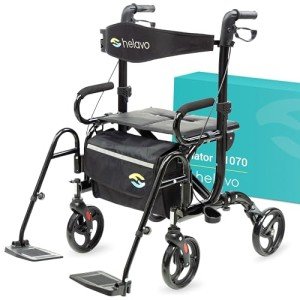
Most rollators come with an adjustable handlebar, which is beneficial for those with weak wrists, hands or shoulders. This can reduce the pressure on these areas during walking and improve posture because the user doesn't have to walk with an incline back.
Some rollators come with an adjustable backrest in addition to the padded seat. This provides additional comfort and support for the user. This is especially useful for people who need extra support while sitting down or when going up and down the stairs.
It is important to understand how to operate your rollator correctly in order to keep it safe and secure. Adjust the height of the handle so that it's comfortable to hold. Then, you can move forward in a steady manner. When making turns, use small steps to move your body while keeping the walker straight ahead of you. Use the hand brakes if you have to stop to secure the walker in place.